 by
by How to improve communication skills is a vital question for those striving to enhance their interactions and make a lasting impression.
Effective conversational ability goes beyond speaking — it involves active listening, thoughtful responses, and genuine connection. Whether you're managing a team, building new relationships, or simply navigating daily discussions, refining this capacity can lead to greater influence.
In the article, we’ll explore practical techniques to help you express yourself more clearly, engage others with confidence, and foster meaningful dialogue.
What are communication skills?
They refer to the attributes required to convey information, ideas, and emotions.
These include verbal conveyance, attentive noting, interpreting body language, and writing with precision. Strong communication skills enable individuals to articulate thoughts confidently, foster positive relationships, manage disagreements, and collaborate efficiently.
How to improve communication skills?
1. Auditing
Fully focusing on the speaker to seize the underlying message beyond mere words.
Communication practice tips:
- Restate information: Summarize what you hear to ensure accurate interpretation.
- Seek clarification: Pose questions like "Could you expand on that?" to gain a deeper grasp.
- Notice nonverbal signals: Pay attention to facial articulations, tone, and gestures to understand sentiments.
- Resist interruptions: Allow the storyteller to finish their thoughts before replying.
This approach fosters confidence and reduces confusion, key in collaboration and relationship-building.
A manager attentively listens to employee concerns during feedback and replies, "So, you believe the current deadlines are unrealistic due to resource constraints?"
2. The CLEAR Communication Process
A five-phase structure that enhances understanding and agreement amid conversations.
- Connect: Begin with a warm greeting to establish rapport. Example: "How has your day been so far?"
- Listen: Concentrate entirely on the talker’s words and feelings.
- Explore: Use open-ended inquiries to investigate issues more deeply, like "What obstacles are you encountering?"
- Agree: Reach mutual cognition or resolutions.
- Review: Recap main points and confirm follow-up actions, e.g., "We decided to extend the deadline and notify the client accordingly."
3. Nonviolent Communication (NVC) Model
Core Components:
- Observation: Report facts without adding interpretation or judgment.
- Feeling: Share your passions connected to the recognition.
- Need: Identify the fundamental value or requirement behind your mood.
- Request: Make straight, specific appeals.
"When the report was delayed (observation), I felt concerned (feeling) because I rely on timely information for planning (need). Could you please ensure future submissions arrive by Wednesday? (request)"
This empathetic method encourages appreciation and diminishes defensive reactions, facilitating productive discussions.
4. Assertive Expression
Confidently and respectfully communicating your opinions and sensibilities devoid of passivity or aggression.
Approaches:
- Employ "I" statements to declare ownership of your impressions rather than blaming.
- Establish boundaries politely.
- Maintain a steady voice and direct visual connection.
"I’m unable to accept additional tasks this week due to my current workload."
5. SOFTEN Body Language Tactic
Strengthen trustworthiness through postures.
- Smile: Indicates friendliness.
- Open posture: Avoid crossed arms or legs that signal defensiveness.
- Forward lean: Demonstrates engagement free from invading personal space.
- Touch: Appropriate movements such as a handshake (based on cultural norms).
- Eye contact: Balanced to show attentiveness without causing discomfort.
- Nod: Signals understanding and encouragement.
An interviewer applies SOFTEN techniques to make candidates feel welcome and at ease.
6. Storytelling Techniques
They captivate audiences emotionally, making your points memorable and easier to grasp.
Structure tips:
- Start with a relatable challenge or conflict.
- Include sensory and detailed descriptions.
- Explain actions and decisions taken.
- Finish with an evident lesson or message.
A marketing executive shares a client’s success narrative to demonstrate product value compellingly.
7. Speech Delivery & Presentation Skills
Recommendations:
- Adopt power poses before speaking to boost confidence.
- Use vocal dynamics such as varying timbre, speed, and volume to maintain listener interest.
- Utilize visual tools effectively but refrain from overwhelming slides.
- Prepare bullets rather than scripts to ensure a natural flow.
A CEO presents quarterly results, engaging employees through a mix of data and storytelling.
8. Written Mastery
Tips:
- Prefer active constructions for clarity and directness.
- Keep away from industry jargon unless your audience is familiar.
- Organize content using headings, lists, and spacing for easy reading.
- Review and edit for grammar, pitch, and precision.
An email to a client lays out project milestones distinctly with bullet points and polite sign-off.
9. Models for Providing Assessment
Popular methods for better communication:
10. Emotional Intelligence (EQ)
Key elements:
- Self-awareness: Recognize your feelings and their impact on communication.
- Self-regulation: Manage impulsive reactions.
- Empathy: Appreciate attitudes and perspectives.
- Social skills: Navigate interactions, resolve disputes, and inspire teamwork.
A team leader detects tension in a meeting and invites colleagues to share concerns.
11. Intercultural Attributes
Best practices:
- Research ethnic expectations before engagement.
- Use plain, straightforward language and avoid idioms.
- Respect diverse norms for formality, gestures, and mutual gaze.
- Confirm comprehension by asking, "Does that sound clear?" or "Would you like me to explain further?"
A project manager holds informal virtual meetings to strengthen bonds with international team members.
12. Conflict Management Techniques
Recommended strategies:
- Interest-Based Relational (IBR) Approach: Address problems without personal blame.
- DESC Formula: Describe the issue, Express vibes, Specify changes, and Clarify consequences.
"When deadlines are missed (describe), I feel anxious (express) because it delays our launch (specify). If it continues, we risk losing the client (consequences). Let’s collaborate on a tracking system."
13. Effective Questioning
Varieties:
- Open probes: "What do you think about this strategy?" encourage elaboration.
- Closed investigations: "Do you approve the plan?" solicit specific answers.
- Probing examination: "Can you clarify why that occurred?" seek depth.
- Leading queries: "Would you agree this mode works best?" subtly guide responses.
14. Mindful Interaction
Stay attentive and present during conversations.
Techniques:
- Take deliberate breaths before responding.
- Focus completely on the current dialogue.
- Reflect on your emotions to avoid reactive comments.
15. Digital Communication Practices
Guidance:
- Craft succinct and lucid messages with defined next steps.
- Leverage video conferencing for personal connection.
- Set expectations for response times and availability.
- Use emojis and reactions thoughtfully to add warmth.
16. Additional Frameworks
| Method | Description | Example |
|---|---|---|
| Transactional Analysis | Examines social roles (Parent, Adult, Child) to enhance interpersonal exchanges. | Modifying tone in business emails. |
| 7 Cs of Communication | Guarantees messages are Clear, Concise, Concrete, Correct, Coherent, Complete, and Courteous. | Developing proposals and reports. |
| Feynman Technique | Breaks down complicated ideas by teaching them to others. | Explaining technical concepts to novices. |
| DISC Personality Model | Customizes communication styles according to Dominance, Influence, Steadiness, and Conscientiousness types. | Adjusting messaging to personality differences. |
| PEARLA | Strengthens connection through Presence, Empathy, Awareness, Reflective listening, and Authenticity. | Used in coaching and counseling sessions. |
| Ladder of Inference | Explains how people make assumptions and draw conclusions based on observed data. | Improving team understanding by clarifying assumptions. |
| SPIKES Protocol | Provides a structured approach for delivering difficult news with clarity. | Communicating challenging feedback in healthcare or management. |
Communication Classes for Enhancing Proficiency
| Certificate Title | Issuing Organization | Focus Area | Delivery Mode |
|---|---|---|---|
| Certified Professional in Communication | International Association of Business Communicators | Corporate strategies | Online/On-site |
| Toastmasters Competent Communicator | Toastmasters International | Public speaking and leadership | In-person club meetings |
| Nonviolent Communication Trainer | Center for Nonviolent Communication | Compassionate dialogue | Workshops/Virtual |
| Business Writing Certificate | Universities such as UC Berkeley | Professional script abilities | Online |
| Technical Writing Certificate | Platforms like Coursera, edX | Software documentation | Online |
| Emotional Intelligence Certification | Six Seconds, TalentSmart | EQ and interpersonal skills | Online/Direct interaction |
| Certified Professional Speaker | National Speakers Association | Oratory and coaching | Hybrid |
| Conflict Resolution Certificate | Harvard Extension School, LinkedIn Learning | Mediation and negotiation | Online |
| Intercultural Communication Certificate | University of Washington and similar | Cross-cultural communication | Online/Offline |
Final Communication Tips
- Engage consistently: Incorporate these approaches into daily interactions, whether informal or formal.
- Record and review: Analyze your speeches or conversations to identify strengths and areas for refinement.
- Solicit feedback: Request honest input from colleagues or mentors to facilitate development of professional goals for work.
- Combine experience with credentials: Supplement practical skills with certifications to elevate your expertise and credibility.
How to put communication skills on a resume?
- Highlight your proficiency in conveying ideas clearly within the summary or objective.
- Create a skills section featuring a variety of abilities such as verbal expression, written correspondence, and delivering presentations.
- Provide concrete examples in your employment history that reflect your talent for sharing information, collaborating with colleagues, and resolving conflicts.
- Include certifications, such as courses in speech delivery, business writing, or advanced interpersonal capacities.
- Support your achievements by quantifying the size of audiences addressed, frequency of presentations, or measurable outcomes.
- Use dynamic action verbs like facilitated, presented, negotiated, collaborated, articulated, and resolved to strengthen descriptions.
- Replace vague claims such as "excellent communication" with detailed illustrations.
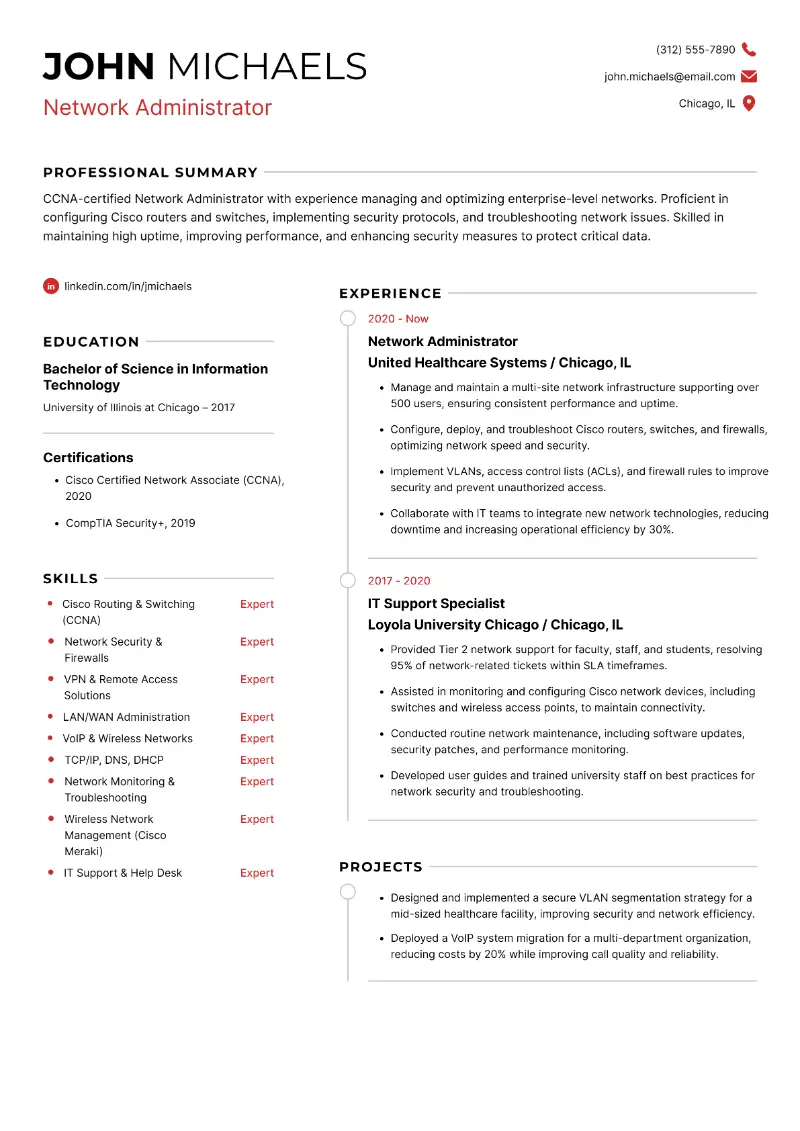
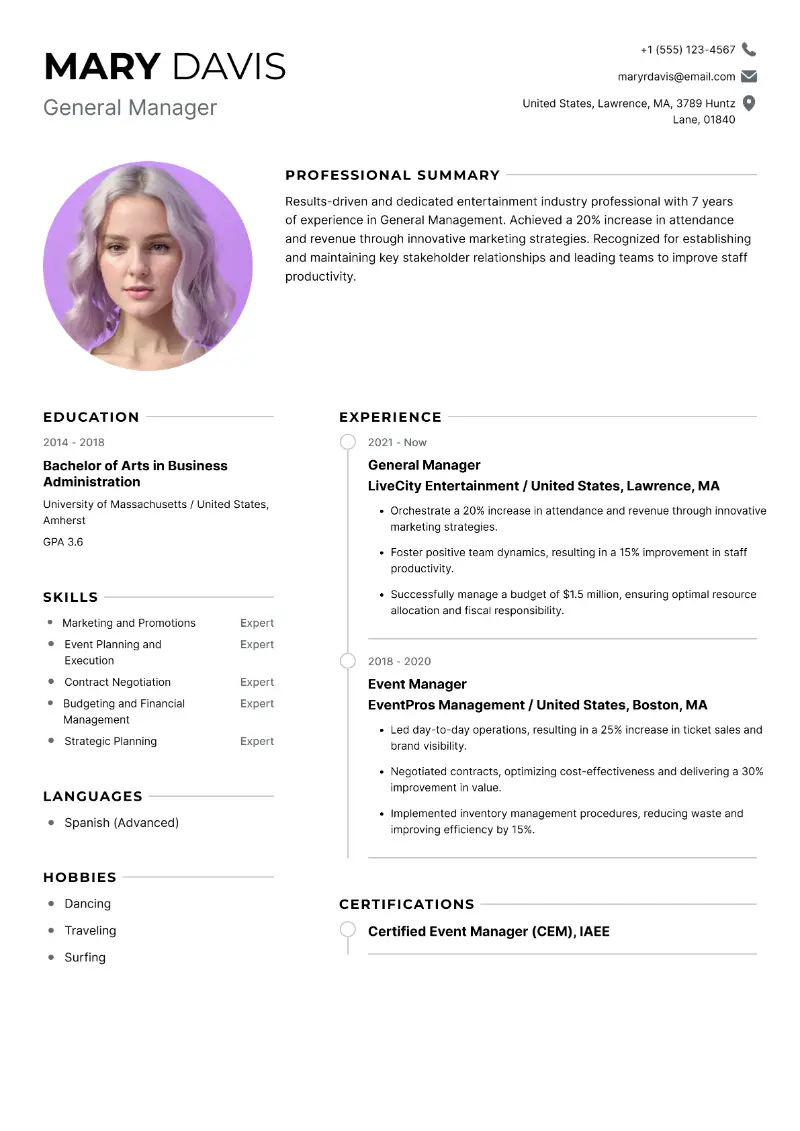
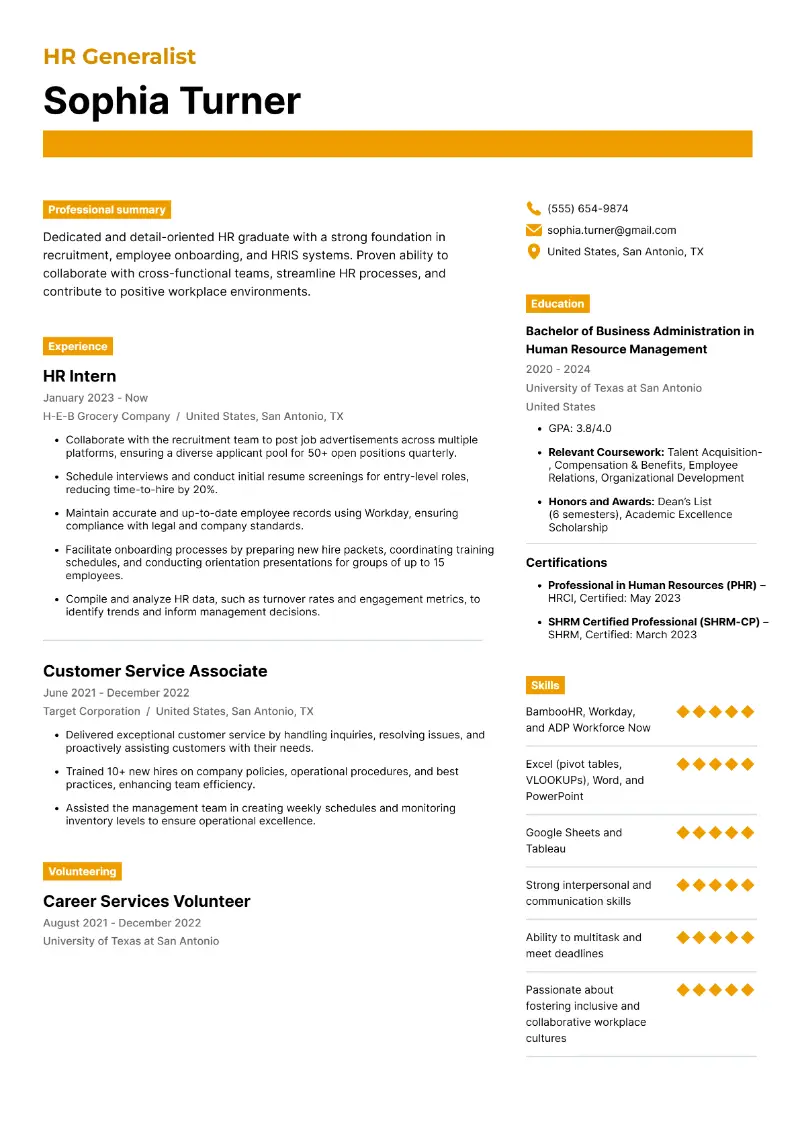
Resume with communication skills examples
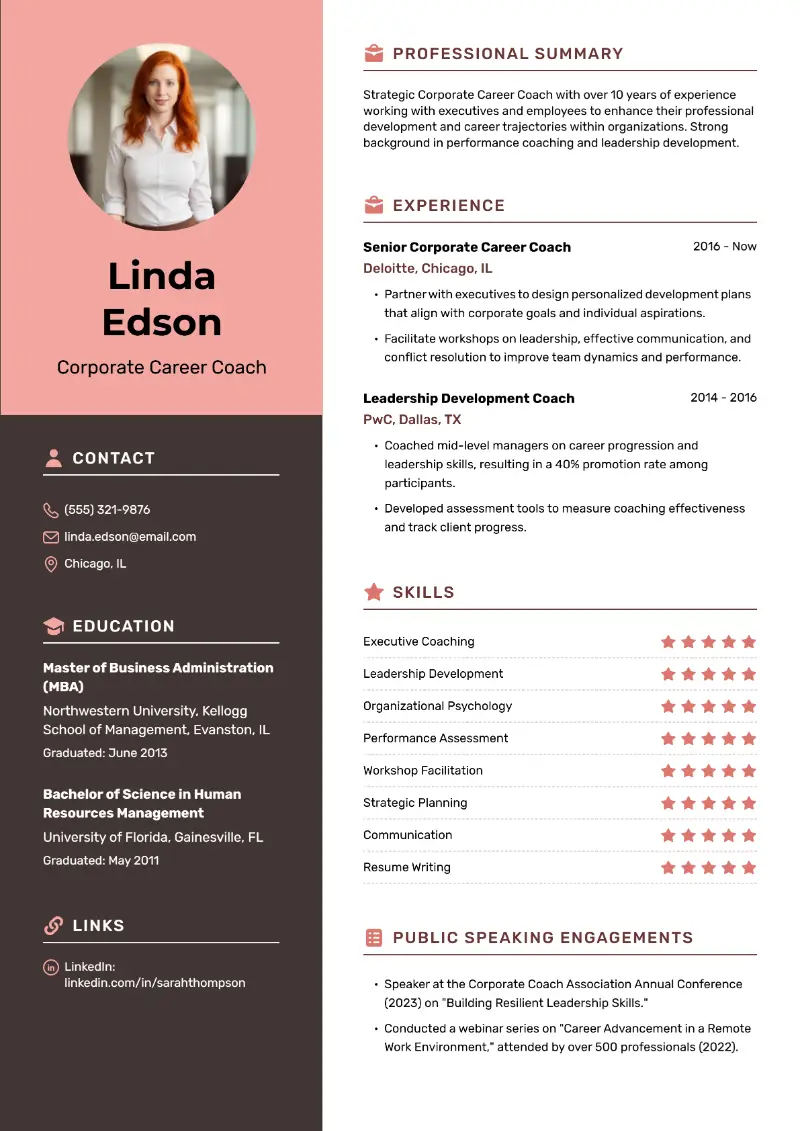
Jessica Martinez
Email: jessica.martinez@email.com | Phone: (555) 123-4567
Professional Summary
Results-driven Marketing Specialist with experience in crafting and delivering compelling presentations to diverse audiences. Adept at transforming complex information into clear, engaging messages that inspire action. Proven ability to collaborate across teams and lead client meetings that drive business growth.
Core Skills
- Verbal articulation & presentation
- Written communication & content creation
- Public speaking & storytelling
- Client relationship management
- Active listening & feedback incorporation
- Cross-functional collaboration
- Conflict resolution
- Data visualization & report delivery
Professional Experience
Marketing Specialist
Salesforce, San Francisco, CA
June 2020 – Present
- Develop and deliver monthly presentations to executive leadership on campaign performance, resulting in strategic shifts that increased ROI by 20%.
- Lead client-facing product demos for enterprise accounts, successfully closing deals worth $2M+ annually.
- Collaborate with design and analytics teams to create visually engaging slide decks that clarified complex data insights for non-technical stakeholders.
- Conduct training sessions for new hires on communication best practices, enhancing team presentation skills and confidence.
Communications Coordinator
Adobe Systems, San Jose, CA
January 2017 – May 2020
- Coordinated and presented at quarterly all-hands meetings, effectively communicating company updates to 500+ employees.
- Authored and edited internal newsletters to ensure clear messaging and consistent tone across departments.
- Managed social media communication strategy, increasing audience engagement by 35%.
- Facilitated workshops on public speaking and interpersonal communication, fostering a collaborative work environment.
Education
Bachelor of Arts in Communication
University of California, Berkeley — 2016
Certifications
- Advanced Presentation Skills, Coursera, 2023
- Effective Business Communication, LinkedIn Learning, 2022
- Public Speaking Mastery, Toastmasters International, 2021
Additional Information
- Fluent in Spanish and English
- Volunteer speaker at local non-profit events focusing on youth empowerment
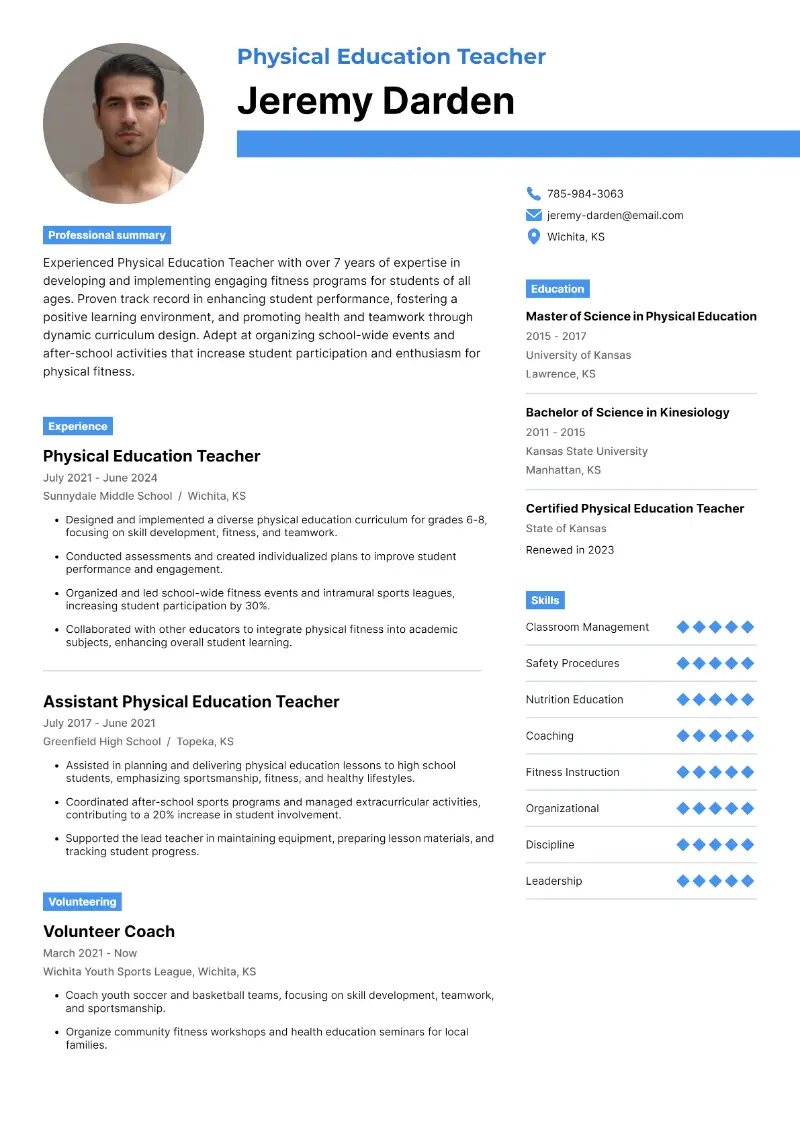
Daniel Kim
Email: daniel.kim@email.com | Phone: (555) 987-6543
Professional Summary
Experienced Project Manager with leading cross-functional teams in fast-paced technology environments. Skilled at delivering persuasive presentations to stakeholders, aligning project goals, and facilitating clear communication between technical and non-technical teams to ensure timely delivery and client satisfaction.
Core Skills
- Stakeholder communication & reporting
- Presentation development & delivery
- Team leadership & collaboration
- Risk management & conflict resolution
- Agile & Scrum methodologies
- Resource planning & coordination
- Meeting facilitation & consensus building
- Documentation & progress tracking
Professional Experience
Senior Project Manager
Microsoft, Redmond, WA
March 2018 – Present
- Present project updates and risk assessments regularly to executive sponsors and client leadership, improving transparency and decision-making.
- Coordinate communication between development, QA, and business teams, ensuring all parties were aligned on deliverables and timelines.
- Lead sprint planning and review sessions, fostering open dialogue that increased team productivity by 15%.
- Create and deliver onboarding presentations for new team members to accelerate their integration.
Project Coordinator
IBM, Austin, TX
July 2014 – February 2018
- Assisted in preparing detailed project status reports and communicated milestones to stakeholders through clear presentations.
- Facilitated weekly team meetings to resolve issues and streamline workflows, enhancing collaboration.
- Maintained project documentation, including communication plans and risk logs, to ensure consistent messaging.
- Delivered training sessions on project management tools and best practices.
Education
Bachelor of Science in Information Technology
University of Texas at Austin — 2014
Certifications
- PMP (Project Management Professional), PMI, 2021
- Agile Certified Practitioner (PMI-ACP), PMI, 2019
- Effective Communication for Project Managers, LinkedIn Learning, 2020
Additional Information
- Bilingual: English and Korean
Conclusion
Improving communication skills is an essential process that boosts career achievements and supports personal development.
Committing to lifelong learning — whether via professional courses, practical experience, or accredited certifications — helps these talents grow in step with evolving circumstances.
In the end, sharpening your interpersonal skills allows you to convey thoughts confidently, comprehend others fully, and handle dialogues with sensitivity, leaving a meaningful impression in every exchange.