 by
by Reporting skills are crucial for collecting, analyzing, and conveying thoughts in a clear and organized way. In an era driven by information, strong capabilities enhance credibility and promote accountability and well-informed action.
In this article, we’ll explore the reporting skills examples, highlight their relevance across different professions, and offer practical advice for improving them.
What is reporting skills?
Reporting skills involve the ability to efficiently gather, analyze, and present data in a way that is accurate.
These strengths are fundamental in ensuring that information is understood by the intended audience. A competent reporter can synthesize complex content, uncover relevant insights, and communicate them succinctly without losing their essence.
Reporting skills list
1. Research
Involves gathering data from trustworthy sources while assessing the relevance and reliability of the facts.
- How to improve the research skills?
- Familiarize yourself with probe tools and programs and databases to enhance your search capabilities. Ensure you verify source credibility and cross-check facts for accuracy.
Without strong examination, reports lack the necessary foundation, compromising their effectiveness and reliability.
Professions that require these reporting abilities:
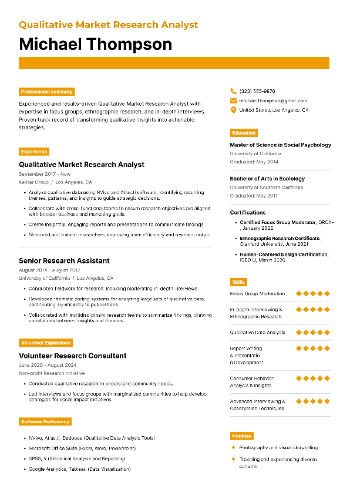
- Investigative Journalist
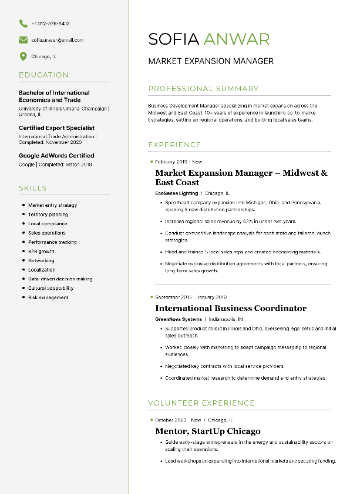
- Market Analyst
- Intelligence Officer
2. Critical Thinking and Analysis
The capacity to assess statistics objectively, identify patterns, and draw insightful conclusions.
- How to improve critical thinking and analysis skills?
- Engage with challenging problems and perspectives to refine your judgment. Regularly practice analyzing data from different angles to uncover deeper meanings.
This expertise ensures that a report offers more than just basic information; it provides well-reasoned insights that can guide decisions.
Vocations that utilize these reporting techniques:
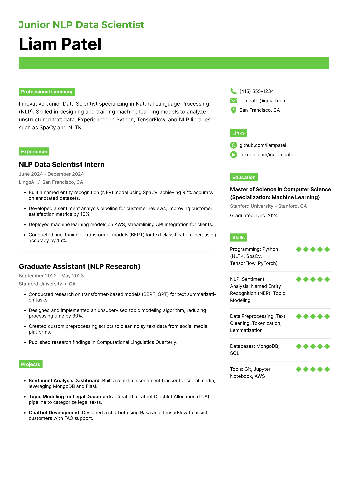
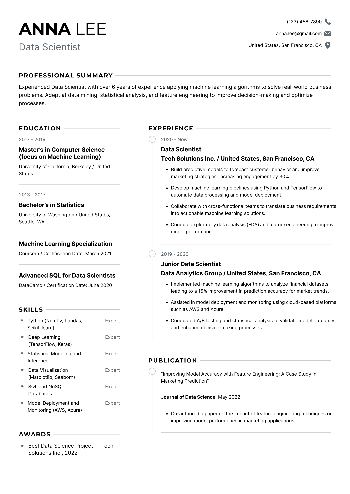
- Data Scientist
- Strategic Consultant
- Public Policy Expert
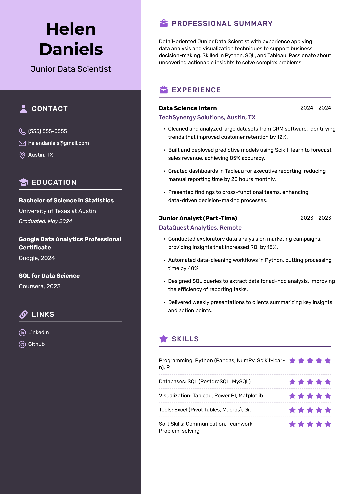
3. Writing and Communication
The competence to present findings clearly and concisely, securing the content is easily understood.
- How to improve writing and communication skills?
- Practice composing regularly, focusing on clarity and brevity. Review reports from accomplished writers and ask for feedback to improve your communication style.
Coherent scripting ensures the material is accessible and free of misunderstandings, making the summary more effective.
Industries that require this reporting skills list:
- Technical Writer
- Public Relations Specialist
- Editor
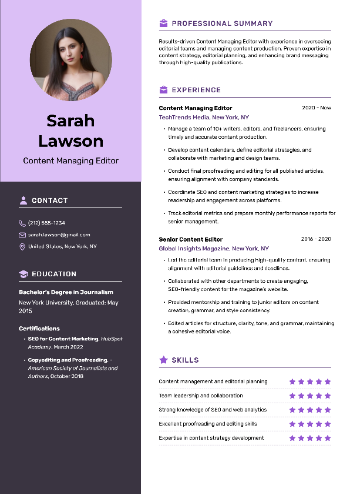
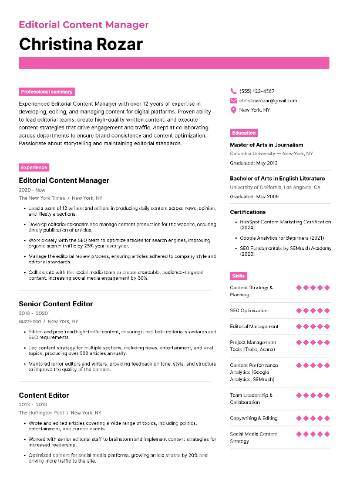
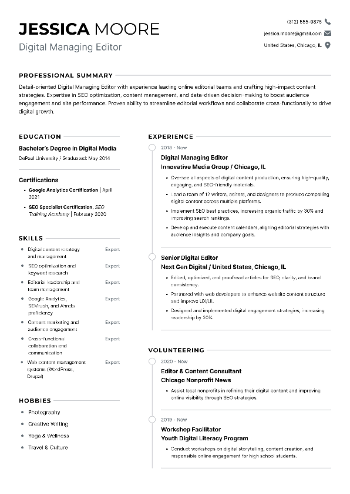
4. Interviewing and Questioning
The dexterity of asking relevant questions during interviews to gain valuable conclusions.
- How to improve interviewing and questioning skills?
- Thoroughly research the subject before interviews. Focus on active listening, allowing you to ask follow-up questions that reveal deeper perceptions.
Good questioning leads to rich, meaningful data that enhances the quality of a report.
Workplaces seeking these reporting abilities:
- Police Detective
- HR Manager
- Sociologist
5. Fact-Checking
Involves verifying all claims and data within the review to verify they are correct and credible.
- How to improve fact-checking skills?
- Adopt a rigorous approach by consulting multiple reliable sources. Develop a checklist to safeguard each fact is validated before inclusion in the documentation.
Accuracy is critical in maintaining the trust of the reader and affirming the integrity of the analysis.
Positions that depend on these reporting skills:
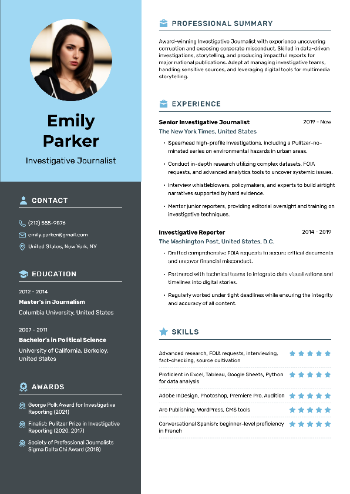
- Investigative Journalist
- Legal Researcher
- Science Reporter
6. Organization and Structuring
The ability to arrange findings logically, certifying the bulletin flows smoothly and is easy to navigate.
- How to improve organizing and structuring skills?
- Start by outlining your report to structure your ideas. Use plain headings, subheadings, and bullet points to break up the content and improve readability.
Proper organization enhances comprehension and makes it easier for the reader to follow the argument or narrative.
Fields that value these data reporting skills:
- Academic Writer
- Policy Analyst
- Project Manager
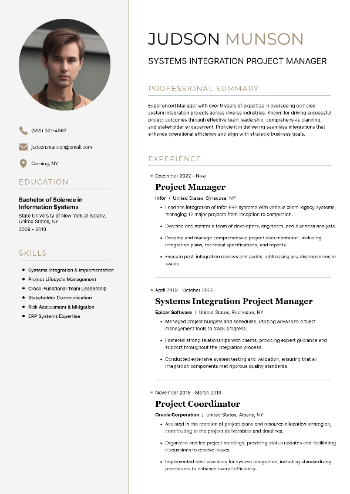
7. Time Management
The strength to manage your schedule effectively to meet deadlines and allocate appropriate time to each stage of the briefing process.
- How to improve time management skills?
- Break the process into smaller, manageable tasks and set cutoffs for each. Use tools like planners or apps to track progress and ensure timely completion.
Efficient time management helps meet schedule limits without compromising the quality of the work.
Occupations requiring these report making skills:
- Journalist
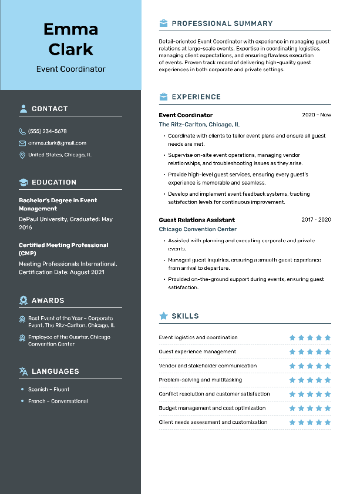
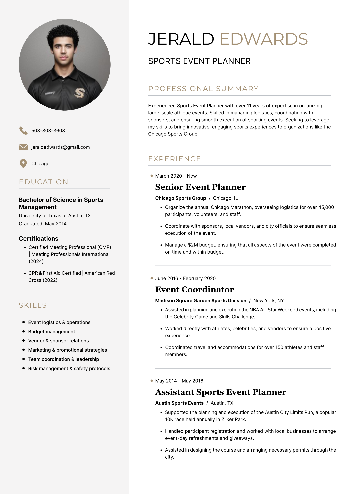
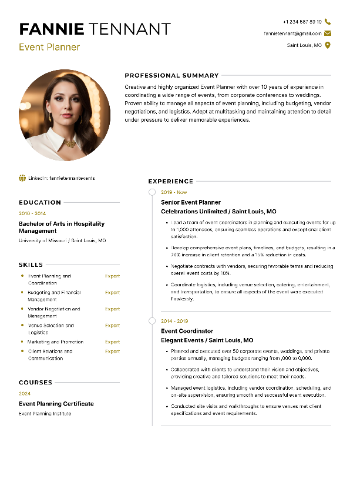
- Event Coordinator
- Marketing Specialist
8. Adaptability and Flexibility
The mastery to adjust to changing circumstances, such as new data or unexpected developments.
- How to improve adaptability and flexibility skills?
- Maintain an open mind when faced with changes. Reassess your approach when needed and stay focused on delivering the best outcome, even under evolving conditions.
Flexibility is essential in fast-paced environments, where adjustments are often necessary to keep the announcement relevant and accurate.
Roles that rely on these skills in reporting:
- Freelance Journalist
- Public Relations Officer
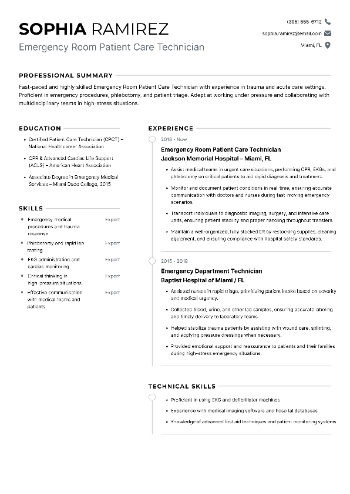
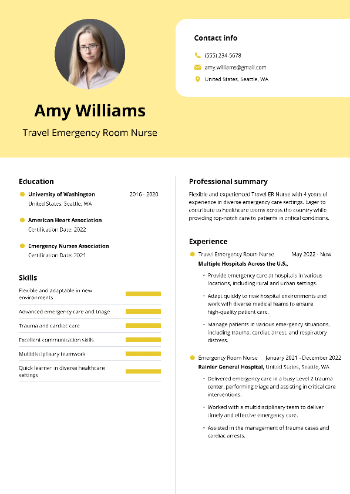
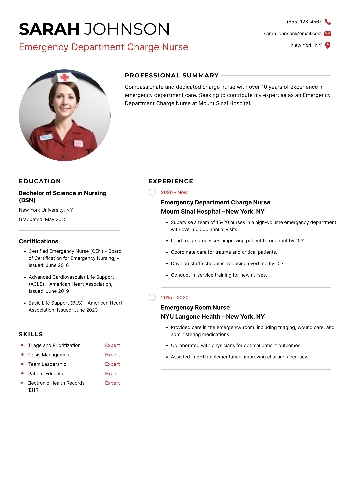
- Emergency Services Reporter
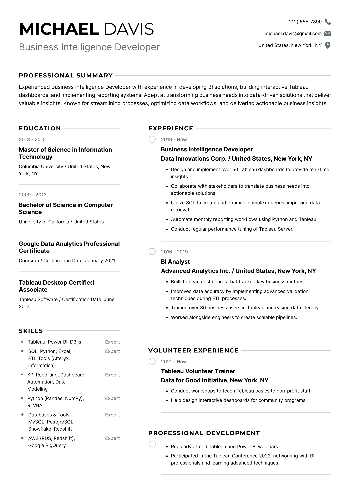
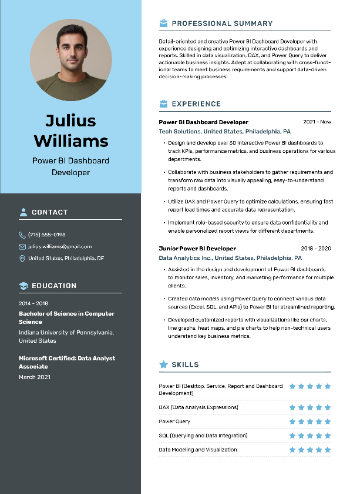
9. Visual and Data Representation
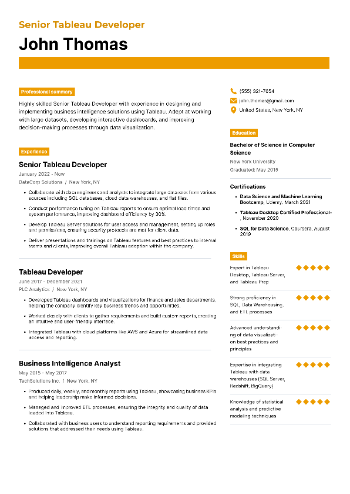
The acumen to present data in clear depiction formats like charts, graphs, and infographics to aid understanding.
- How to improve data representation skills?
- Learn to use tools like Tableau or Excel. Study basic design principles to attest that displays are not only informative but also easy to interpret.
Representation aids help simplify complex data, making it more digestible and accessible to the audience.
Jobs that necessitate these resume reporting skills:
- Marketing Specialist
- Economist
- Business Intelligence Analyst
10. Ethical Reporting
The ability to follow righteous guidelines, ensuring truthfulness, fairness, and respect for privacy in the assessment.
- How to improve ethical reporting skills?
- Regularly review noble standards within your field. Make conscious decisions to be transparent and unbiased, considering the impact your report may have.
Responsible reporting is crucial for maintaining public trust and preventing harm or misinformation.
Careers that demand these reporting techniques:
- Investigative Journalist
- Public Relations Officer
- Media Ethics Consultant
Conclusion
In conclusion, reporting skills are vital for creating clear, accurate, and impactful documents in a wide range of professions.
Continuously refining these abilities not only improves the quality of reports but also strengthens the reliability of the information. By developing these core competencies, you are better prepared to contribute meaningfully to your industry.
Create your professional Resume in 10 minutes for FREE
Build My Resume