 by
by How to motivate someone to get a job can be a challenging yet fulfilling task. Whether it’s a friend, family member, or colleague, inspiring another person to take that crucial step toward employment demands empathy, patience, and the right approach.
This article will explore practical strategies and helpful job search tips to encourage and support those who might feel uncertain or reluctant about starting their career journey. By understanding what drives each individual, you can help them build confidence and open doors to new opportunities.
How to help someone find a job?
1. Understand Their Perspective
Begin by having an open conversation where you simply listen. Ask questions like, “What’s holding you back from looking for work?” or “How do you feel about returning to a job?” Understanding their emotional state, fears, and past experiences can help you craft support that resonates.
Sit with them over coffee and ask, “What’s been the hardest part about thinking of going back to work?”
2. Set Small, Realistic Goals
The job search can feel overwhelming, especially if someone has been out of work for a long time. Help them set micro-goals: updating their LinkedIn one day, writing a cover letter the next, and so on. Achieving small tasks builds momentum and prevents burnout.
Suggest starting with, “Let’s update your resume this week - no pressure beyond that.”
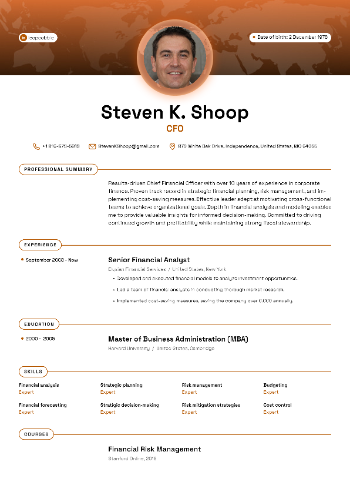
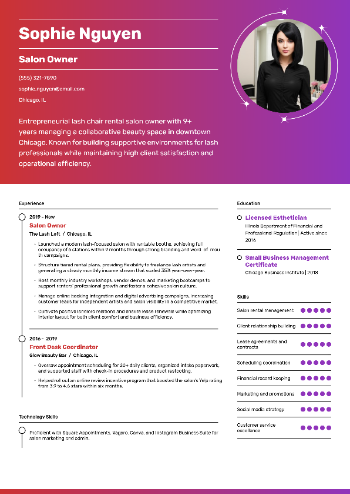
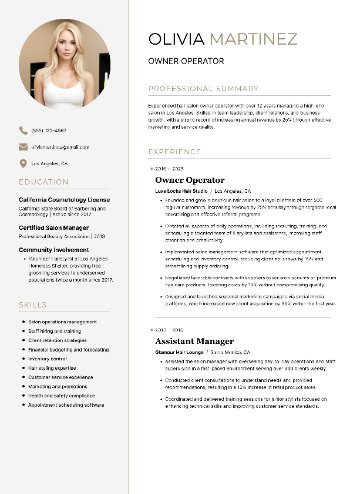
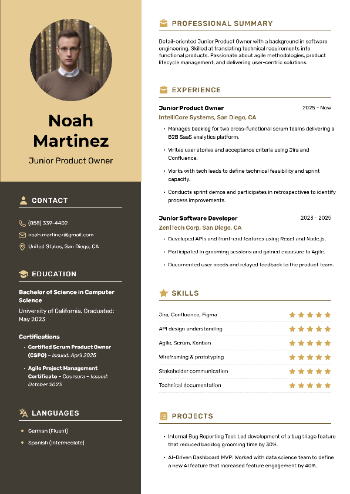
Create your professional Resume in 10 minutes for FREE
Build My Resume
3. Highlight Their Strengths
Take time to discuss their unique talents - maybe they're excellent at organizing, creative problem-solving, or communication. Write these down together and explore how these can apply to various industries or roles.
Say, “Remember how you organized that whole event by yourself? That’s a huge strength.”
4. Provide Positive Reinforcement
Celebrate progress and milestones - no matter how small. Send a text, treat them to coffee, or offer verbal praise. Positive reinforcement strengthens the habit of taking action.
Text them, “So proud of you for submitting that application today!”


5. Create a Routine Together
Routine builds discipline. Collaboratively design a daily or weekly schedule that includes role searching, breaks, self-care, and learning time. Routines give structure and turn motivation into consistent behavior.
Set up a plan: “Every morning from 9 to 10, let’s focus on job stuff. After that, you’re free for the day.”
6. Share Inspiring Stories
Tell them about people who have overcome unemployment - especially those with similar challenges. Whether it’s someone who switched careers at 50 or a single parent who found remote work, real stories can reignite belief in possibilities.
Share a podcast or article: “Check out this story - he found a job after being unemployed for two years.”
7. Offer Constructive Feedback
If they’re discouraged by a lack of responses, review materials together. Help revise resumes or mock interview with them. Be kind, but honest. Feedback framed positively makes improvement easier and encourages continued effort.
Say, “This line on your resume is strong, but what if we added some results you achieved?”
8. Introduce Networking Opportunities
Many jobs come from word-of-mouth. Tell to join networking groups, attend meetups, or reach out to former colleagues. You might even go with them to an event.
Invite: “Why don’t we go to that local business mixer Thursday? It could be a good way to meet people.”
9. Help Identify Career Interests
Use online assessments or simply have an honest talk about what they enjoy. Interests often align with motivation - when someone works toward something they care about, they’re more engaged.
Ask, “If money wasn’t an issue, what kind of action would you love to try?”
10. Promote Volunteer Work
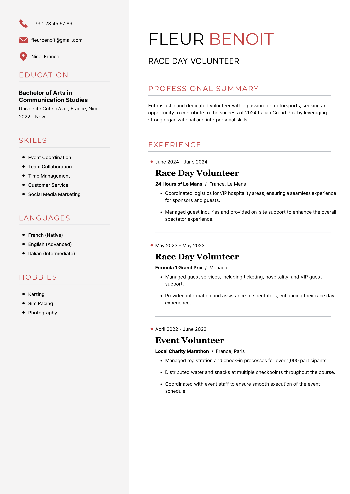
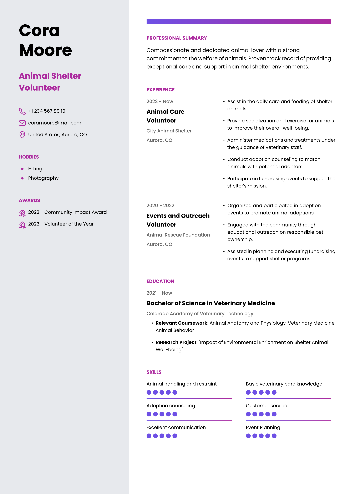
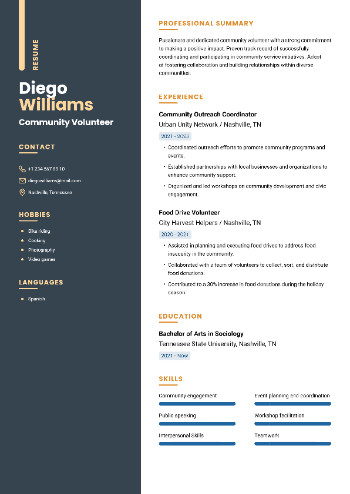
Advocate community service in their area of interest. It builds recent experience for resumes, provides structure, and often boosts mental health. Volunteering can even lead directly to employment in some organizations.
Suggest, “Why not help out at the animal shelter? It’ll get you moving and look great on a resume.”
11. Assist With Job Applications
Offer to sit beside them while they fill out papers. This turns an intimidating, solitary task into a shared experience. You can also help catch typos or fill in gaps creatively and honestly.
Sit with them and say, “Let’s apply for one job together right now - just one to start.”
12. Encourage Further Learning
Show them how free or low-cost platforms like Coursera, Udemy, or Khan Academy can help develop marketable skills. Learning builds self-efficacy and adds fresh qualifications to their job search toolkit.
Recommend, “This free online course takes a few hours - you’d be great at it.”
13. Act as an Accountability Partner
Set weekly check-ins to talk about progress. Ask how many jobs they applied for or what challenges faced. Your gentle nudges can help stay on track without feeling pressured.
Say, “Let’s touch base every Friday - I’ll just ask how it’s going, no pressure.”
14. Minimize Negative Influences
If they’re surrounded by people who doubt them or have toxic mindsets, gently hint at distancing from that energy. Instead, surround with supportive, goal-oriented individuals, even online communities.
Mention, “Maybe spend less time with folks who make you feel discouraged - your mindset matters.”
15. Reframe Failure as Learning
Every rejection is a lesson. Help analyze why an interview didn’t go well or why they didn’t get a call back. Reframing failure as feedback promotes resilience and curiosity rather than self-doubt.
Tell, “That 'no' means you’re closer to a 'yes'. Every great story has setbacks.”
16. Connect Them With a Mentor
If you know someone in their field, arrange a meeting. A mentor provides industry insight, encouragement, and often opportunities. This kind of connection can fast-track their motivation and clarify their direction.
Say, “I know someone who’s been in that field for years - want me to connect you two?”
17. Focus on the Benefits of Employment
Help them imagine life with a paycheck - freedom to travel, pay bills without stress, or support loved ones. Talk about how working gives identity, purpose, and a reason to get up each day.
Ask, “What would you do with your first money? How about we make that the goal?”
18. Role-Play Interview Scenarios
Conduct mock interviews with common or tough questions. Give feedback on tone, content, and posture. Practice helps reduce anxiety and prepares them to present themselves confidently.
Say, “Let’s pretend I’m the hiring manager - how would you answer this question?”
19. Use Affirmations
Encourage daily self-affirmations like “I have value,” “I deserve a fulfilling job,” or “I am capable of growth.” These phrases gradually reshape internal dialogue and combat negative self-talk.
Suggest, “Try saying this in the mirror: 'I am ready. I bring value. I will succeed.'”
20. Reduce Financial Pressure
If they’re worried about money, assist with budgeting or point them toward local financial aid, food banks, or community grants. Removing this stressor allows them to focus on the search with a clearer mind.
Offer, “Shall we look at community programs that could help while you’re looking - there’s no shame in that.”

21. Set Up a Vision Board
Gather magazines, print images, or use an app to represent their ideal job, lifestyle, or future. Visualization makes goals feel real and inspires action.
Raise, “Shall we cut out some pictures or use Pinterest to create a board of what you want life to look like.”
22. Involve Them in Career Events
Look for free virtual or local fairs and offer to attend with them. Seeing companies actively searching can dispel the myth that “no one’s hiring” and reenergize the hunt.
Invite, “There’s a career expo next weekend - I’ll go with you if you’re up for it.”
23. Help Them Develop Soft Skills
Bring up ways to enhance interpersonal skills through public speaking clubs, online courses, or group discussions. Strong soft skills improve hireability and boost confidence in any role.
Recommend, “You could join that local Toastmasters group - it’s great for building confidence.”
24. Encourage Self-Care
Depression, anxiety, or burnout can stall motivation. Encourage regular exercise, healthy eating, sleep, and mindfulness practices. A healthier body and mind lay the groundwork for productive action.
Say, “Why not start with a short walk each morning? Clear your head before the job hunt.”
25. Avoid Pushing Too Hard
Too much pressure can cause retreat. Let them move at their pace while offering consistent, gentle encouragement. Trust develops when support is respectful, not forceful.
Say, “I’m here to support you - whenever you’re ready to take a step, I’ll walk with you.”
26. Create a Comfortable Workspace
Help them clean a corner of the house or organize a laptop area where they can focus. A dedicated space signals readiness and helps eliminate distractions.
Offer, “Let’s organize a small desk space for job stuff - it might help you focus better.”
27. Discuss Long-Term Dreams
Ask questions like, “Where do you want to be in five years?” Help them see how a job is a stepping stone to bigger dreams. Tying current efforts to future visions builds deeper motivation.
Ask, “What’s one dream you’d love to make real in the next 5 years - and how can a job help with that?”
28. Acknowledge Past Trauma or Setbacks
If they’ve been fired, bullied at work, or experienced mental health struggles, validate that pain. Encourage therapy or support groups if needed. Healing often precedes progress.
Say, “It makes sense you’re hesitant after what happened - but that doesn’t define your future.”
29. Help Rewrite Their Narrative
Shift conversations from “I’ve never been good at anything” to “Here’s what I’ve learned from my experiences.” A fresh narrative fuels a new path.
Encourage, “What if you started seeing yourself as someone who is just getting underway, rather than as a failure?”
30. Involve Them in Mock Projects
If they’re interested in design, business, or writing, ask them to help on a real or pretend project. Completing something gives a sense of achievement and reaffirms capability.
Say, “Want to help me plan this event? It’s a great way to brush up on those organization skills.”
31. Identify Motivational Triggers
Some people are driven by helping others, some by personal growth, and some by status or rewards. Tailor encouragement to what internally drives them, not what you think should.
Ask, “What excites you most - freedom, purpose, or helping others? Let’s find work that brings you closer to that.”
32. Leverage Technology
Introduce tools like Trello for organizing the job search, Grammarly for editing applications, or Jobscan to improve resumes. These resources reduce effort and improve results.
Show, “This app scans your resume and matches it to real job listings. How about giving it a try?”
33. Remind Them They’re Not Alone
Let know many people face similar challenges. Encourage to join online job seeker groups or follow creators who talk about career development. Community fuels perseverance.
Say, “Lots of people are in your shoes - it’s okay. You’re not the only one figuring things out.”
34. Celebrate Skill Diversity
Show them how parenting, caregiving, managing a home, or leading a community group involve leadership, time management, and multitasking. These are valuable in many job markets.
Point out, “Managing a household means multitasking, budgeting, problem-solving - that’s real experience.”
35. Build Confidence Through Wins
Start with a task you know they’ll succeed in - like rewriting a resume. Success builds belief. The more they win, the more they’ll believe their abilities.
Say, “We could send just one application today - you’ll feel better once it’s done.”
36. Reduce Decision Fatigue
Don’t overwhelm them with a hundred job listings. Help them choose 3–5 target roles or to center on. Simplicity makes action easier.
Suggest, “Why don’t we pick two industries to focus on this month - that’ll simplify things.”
37. Model a Positive Attitude
Your energy matters. Be optimistic about their chances, believe in their potential, and keep a hopeful tone. Enthusiasm is contagious.
Say, “I believe in you. Even if it’s tough now, you’re going to find your way.”
38. Set Deadlines With Flexibility
Encourage gentle deadlines. Flexible structure keeps them moving without causing stress.
Counsel, “Let’s aim to update your resume by Thursday - but if it takes longer, that’s okay.”
39. Discuss Financial Goals
Instead of just talking about “getting a job,” help them tie employment to personal goals like saving for travel, investing, or starting a side hustle. Practical goals give clearer motivation.
Ask, “What would it mean to you to have your own income again?”
40. Let Them Lead When Ready
Ultimately, motivation must come from within. Support them, but allow to decide how and when to act. Empowerment leads to ownership, and ownership leads to action.
Say, “I’m here whenever you want to start - I’ll support you at your pace.”
How to motivate someone to get a job - conclusion
Motivating someone to pursue employment is a delicate balance of empathy, encouragement, and support. Understanding their unique challenges and offering steady, non-judgmental guidance can make all the difference.
Remember, motivation often comes from within, but your patience and belief can be the catalyst that sparks lasting change.
Create your professional Resume in 10 minutes for FREE
Build My Resume