 by
by When making a resume, picking out the right warehouse skills for a resume can really set you apart.
Hiring managers want to see proof that you can handle the fast pace and demands of a storage facility. They're not looking for warm bodies - they want people who know what they're doing.
It doesn’t matter if you’re brand new to this work environmentor you’ve been around the block a few times. Showing off relevant warehouse resume skills on your document helps you stand out from everyone else.
A recent 2025 industry-wide analysis (for the U.S. logistics sector) found that from December 2024 to April 2025 there were over 320,000 unique job postings in warehouse and light-industrial roles.
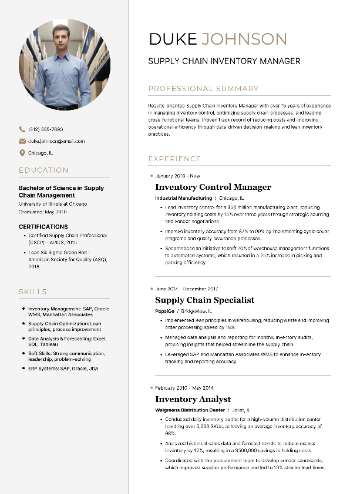
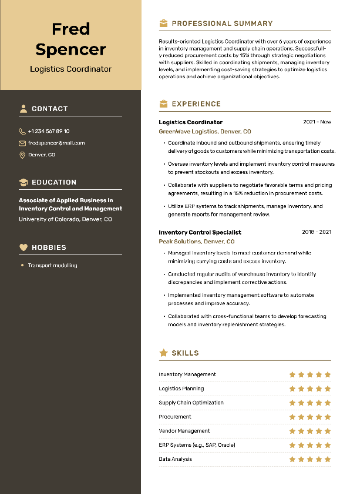
Why do warehouse skills matter for a resume?
If you’re trying to land a job, you can’t toss any old powers on the draft and hope for the best. The right talents make a real difference - think speed, safety, and getting things done well.
When reviewing applications for these opportunities, hiring managers typically focus on:
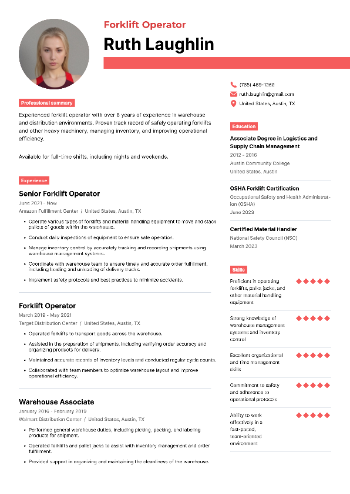
- Relevant experience: Have you been busy in a warehouse, or somewhere similar? Did you handle the same kind of responsibilities? If you’ve done it before, display it.
- Key skills: You want to prove you can run machines, observe inventory, and manage the daily logistics. Don’t just note “hard worker”. Be specific.
- Certifications: Got training in safety, forklift operation, or anything technical? List all. These are a quick way to stand out.
By scanning resumes, recruiters can quickly determine if a person possesses the core competencies required. Clearly showcasing these warehouse worker skills can significantly improve chances of securing an interview and landing the position.
Create your professional Resume in 10 minutes for FREE
Build My Resume
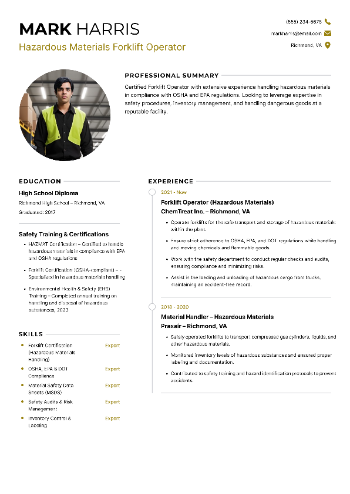
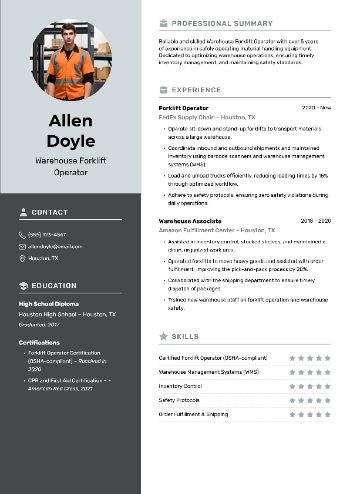
Key warehouse resume skills
When building your resume, it’s important to highlight a variety of competencies that demonstrate your ability to succeed in a fast-paced, hands-on environment.
Warehouse roles require a combination of hard, soft, and physical skills. Let’s break down these three categories and what each entails.
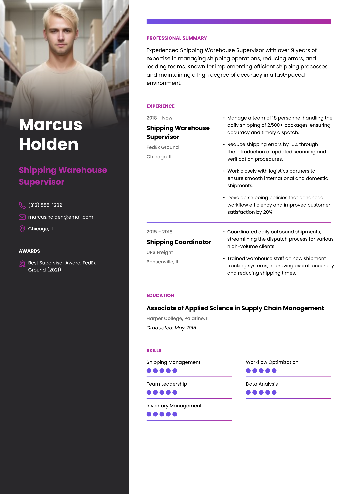
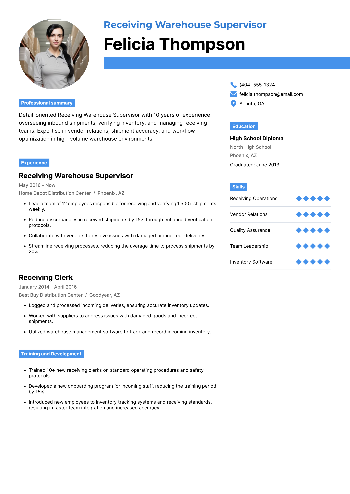
Hard warehouse skills to put on a resume
Hard skills are the nuts and bolts - real, practical abilities you pick up through training or doing the job. These are technical, specific, and employers want to see them on a CV.
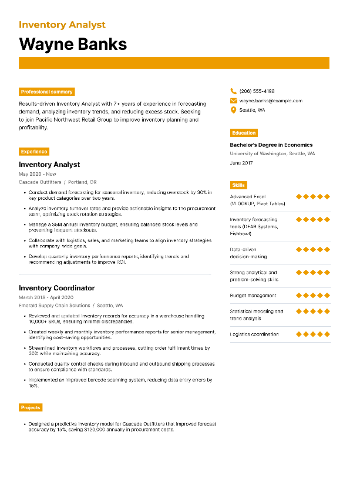
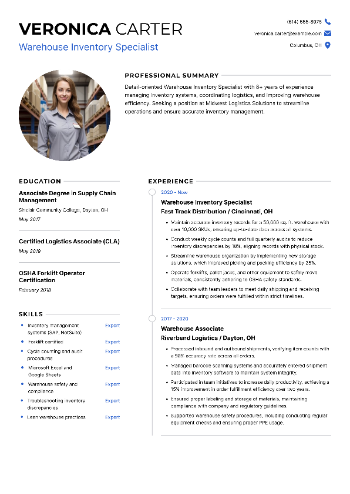
1. Inventory Management
This refers to what’s in stock and where it is. You’re assuring nothing goes missing, and every item is right where it should be.
When you’re good at asset optimization, you cut down on mistakes, speed up order fulfillment, and uphold everything flowing smoothly.
- How to learn the inventory management skills?
- You pick this up on the job, honestly. But knowing your way around systems like SAP or Oracle helps a ton, and formal logistics training will get you up to act even faster.
Positions that require this skill:
- Inventory Manager
- Warehouse Supervisor
- Supply Chain Coordinator
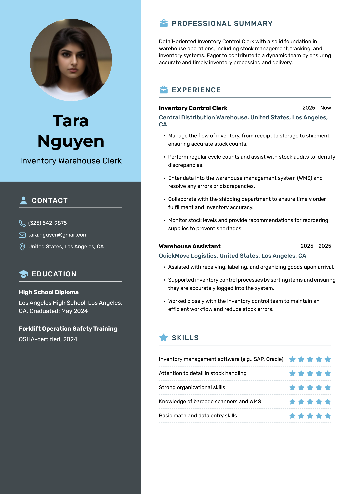
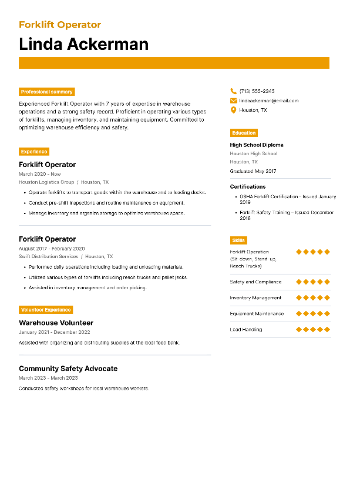
2. Forklift Operation
Here, you’re maneuvering a forklift to move heavy stuff around. It’s a big responsibility - these machines do the heavy lifting, literally.
Specs maintain safely and ensure work doesn’t slow down.
- How to learn the forklift operation skills?
- Many regions require certification, which can be obtained through specific courses, often available at training centers or through employers.
Positions that require this skill:
- Forklift Operator
- Warehouse Worker
- Material Handler
3. Warehouse Management Software (WMS)
WMS refers to software that helps helps you keep tabs, manage tickets, and smooth out logistics.
It takes the headache out of tracking inventory and processing orders, so everything runs faster and mistakes happen less often.
- How to learn the WMS skills?
- Most businesses will show you how their system acts, but you can also find online courses if you want to get the basics down before jumping in.
Positions that require this skill:
- Warehouse Manager
- Inventory Control Specialist
- Logistics Coordinator
4. Order Fulfillment
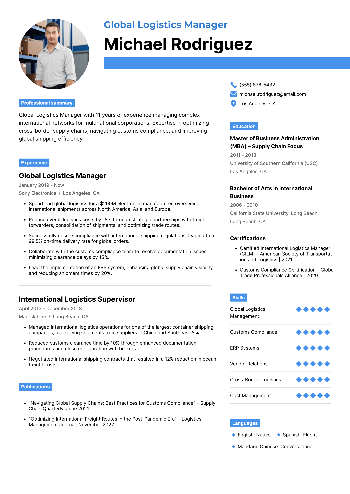
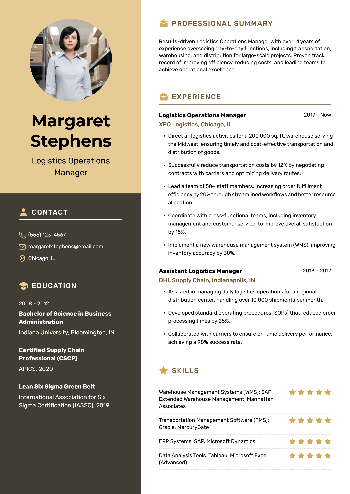
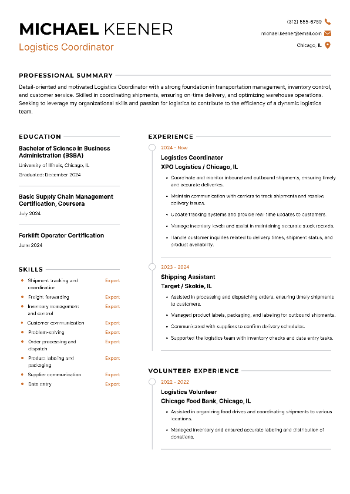
This is the whole process: picking, packing, and laying the groundwork to ship.
When items are sent out rapidly and accurately, clients take note. It also gets rid of any bottlenecks in the distribution centre.
- How to learn the order fulfillment skills?
- This skill is typically gained through on-the-job experience, and training in supply chain logistics can also be beneficial.
Positions that require this skill:
- Order Picker
- Packing Specialist
- Fulfillment Associate
5. Shipping and Receiving
Shipping and receiving is all about keeping track of goods coming in and going out. You check shipments, inspect products, and prove everything is where it needs to be.
Handle this well, and you avoid hassle - like delays or missing boxes - across the full supply chain.
- How to learn the skills for shipping and receiving?
- Most people learn the ropes at work, but formal logistics training gives you a solid start.
Positions that require this skill:
- Shipping Coordinator
- Receiving Clerk
- Warehouse Associate
6. Barcode Scanning
This is the use of technology that lets you quickly read those little black-and-white lines on products. It cuts down on mistakes, guaranteeing you always know exactly what’s on the shelf and where it’s going.
- How to learn the barcode scanning skills?
- Familiarity with barcode technology is developed through training provided by employers, or through general tech courses.
Positions that require this skill:
- Inventory Clerk
- Order Picker
- Logistics Assistant
7. Safety Procedures and Protocols
You need to understand how to apply equipment safely, handle hazardous materials, and deal with responding to emergencies.
It’s not about ticking boxes - sticking to these safety rules holds people out of harm’s way and helps everyone follow the law.
- How to learn the safety protocol skills?
- You can receive safety certifications, like OSHA training, through courses your employer provides or from organizations that focus on workplace security.
Positions that require this skill:
- Warehouse Supervisor
- Forklift Operator
- Safety Coordinator
Physical warehouse skills resume
These competencies all come down to stamina, strength, and coordination.
1. Heavy Lifting
Warehouses are full of assets that aren’t light. You have to carry and move big or heavy items all the time, and you’ve got to do it safely.
This isn’t just about muscle - right lifting protects you from injury and preserve products too. Whether you’re loading or unloading trucks or maintaining stock levels, this ability keeps everything running smoothly.
- How to learn the skills for heavy lifting?
- Start with the basics - study proper techniques so you don’t hurt yourself. Earn some safety training, and don’t skip out on building up your power with regular exercise.
Positions that require this skill:
- Warehouse Worker
- Material Handler
- Shipping and Receiving Clerk
2. Manual Dexterity
This is about using your hands with skill and precision. If you’re assembling, packing, or handling pieces, you require steady hands and an eye for detail.
Good dexterity means you can pack, label, and sort everything fast - and you won’t mess things up along the way.
- How to learn the manual dexterity skills?
- Get hands-on. Practice with assembly work, tools, or even hobbies like puzzles and crafts. Whatever gets your fingers busy and your palms active will do the trick.
Positions that require this skill:
- Order Picker
- Packing Specialist
- Assembly Worker
3. Endurance
Warehouse jobs are marathons, not sprints. You’re on your feet walking, bending, and pushing heavy loads for hours at a time.
To stay productive all shift long, especially when the pace never slows down, you need this capacity.
- How to learn the endurance skills?
- Endurance can be built through consistent physical activity such as walking, running, or weight training, as well as pacing yourself during long tasks.
Positions that require this skill:
- Warehouse Associate
- Forklift Operator
- Logistics Coordinator
Soft skills for a warehouse resume
Soft skills are less technical and more related to how you interact with others and navigate different situations.
1. Communication
It’s more than just speaking. This ability means getting your point across - whether you’re chatting, writing an email, or giving updates to your team, your boss, or anyone else involved.
Effective narration helps to prevent misunderstandings, improves teamwork, and ensures that tasks are completed correctly.
- How to learn the communication skills?
- Jump in and practice. Join team projects, talk things out with others, or sign up for a few workshops. The more you do it, the better you are.
Positions that require this skill:
- Warehouse Supervisor
- Shipping Coordinator
- Team Leader
2. Teamwork
That is all about interacting well with others, pitching in to hit shared career goals, and having your crews’ backs.
When you actually care about the group, everything runs better. People feel supported, and the whole place is like a well-oiled machine.
- How to learn the teamwork skills?
- Get involved in collaborative projects and activities, both on the site and outside of it.
Positions that require this skill:
- Warehouse Worker
- Order Fulfillment Associate
- Inventory Clerk
3. Problem Solving
This refers to the ability to spot issues, figure out what to do about them, and implement effective actions to clear the roadblocks.
When you’re quick on your feet with this skill, things don’t grind to a halt every time something unexpected pops up - you handle it and sustain going.
- How to learn the problem solving skills?
- Try diving into tough projects, run through some “what if” scenarios, and challenge yourself with exercises that push your critical thinking.
Positions that require this skill:
- Warehouse Manager
- Logistics Coordinator
- Inventory Supervisor
4. Time Management
Time management involves prioritizing tasks, setting deadlines, and efficiently organizing your workload to meet targets within a set timeframe.
Become good at this, and you’ll juggle several tasks without losing your cool. Plus, you’ll keep up in busy warehouses where everything moves at top speed.
- How to learn the time management skills?
- Start by setting your own goals, use planners or digital apps to stay organized, and stick to holding your daily chores with real discipline.
Positions that require this skill:
- Warehouse Associate
- Shipping Coordinator
- Inventory Control Specialist
5. Adaptability
This means rolling with the punches - whether that’s new tech, shifting priorities, or sudden changes in how things get done.
Being adaptable helps employees stay productive during shifts in demand, new safety protocols, or swifts in warehouse operations.
- How to learn the adaptability skills?
- Stay open to feedback, seek out new opportunities, and remain up to date on the latest trends in your field. The more you practice, the easier it will be to adapt.
Positions that require these warehouse worker resume skills:
- Warehouse Worker
- Forklift Operator
- Supply Chain Analyst
Create your professional Resume in 10 minutes for FREE
Build My ResumeHow to showcase skills for a warehouse resume?
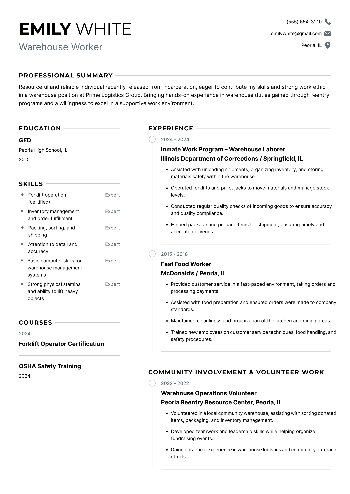
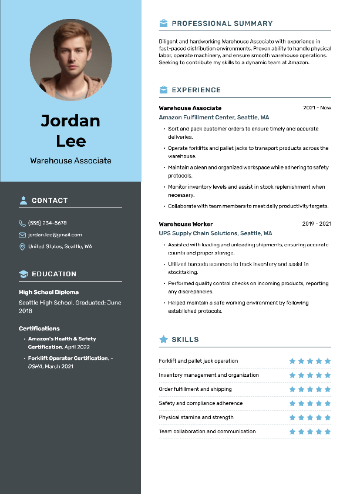
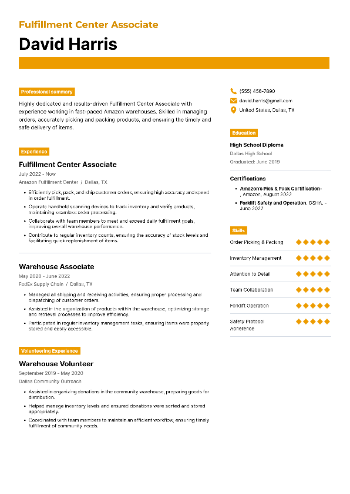
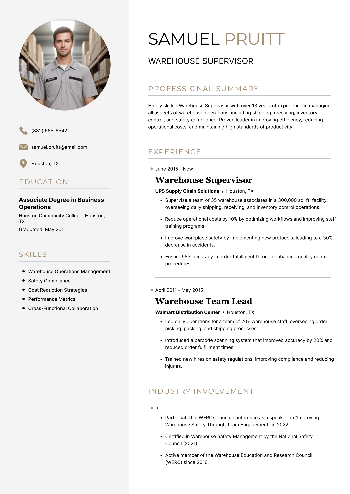
Effectively highlighting your warehouse skills resume examples on your application is essential to catching the attention of potential employers. Here are some tips for demonstrating your expertise and improving your chances.
1. Tailor Your Resume to the Job
- Customize your abilities: Adjust the skills section to match the specific description. If the employer emphasizes inventory management or forklift operation, be sure to highlight your experience in those areas.
- Use relevant keywords: Many companies utilize applicant tracking systems (ATS) to screen documents, so including industry-specific terms (e.g., "order fulfillment," "logistics management") can help your document be noticed.
2. Apply Action-Oriented Language
- Be specific: Rather than saying "responsible for inventory," incline action verbs like "managed," "organized," or "monitored."
- Highlight achievements: Focus on the results you achieved. For example, "reduced inventory discrepancies by 20%" or "improved order processing time by 15%."
3. Quantify Your Impact
- Put numbers whenever possible: Employers love measurable results. Add specifics such as how many orders you fulfilled in a day, how many items you managed, or the percentage by which you increased efficiency.
"Processed up to 500 orders per shift, achieving a 98% accuracy rate."
4. Highlight Relevant Certifications and Training
- Illustrate your qualifications: If you have licenses such as forklift operation, OSHA training, or warehouse management systems (WMS) proficiency, be sure to include them.
"Certified Forklift Operator (OSHA-approved)" or "Proficient in SAP and WMS software."
5. Feature Soft Skills
- Teamwork: Emphasize your ability to work collaboratively in a team. Employers want to know that you can communicate well and coordinate with others.
- Problem-solving: Mention instances where you resolved issues like inventory discrepancies, equipment malfunctions, or order delays.
- Adaptability: Highlight your capacity to adapt to changes in a fast-paced environment or handle unexpected challenges.
6. Include an Opening Statement
- Make a strong first impression: At the top of the page, write a brief summary or objective for resume that highlights key resume skills for a warehouse worker and your experience. This is your opportunity to quickly show why you’re a good fit for the role.
Conclusion
Incorporating the right warehouse skills for a resume is essential for standing out in today’s competitive job market.
By highlighting your proficiency in key areas such as inventory management, forklift operation, and team collaboration, you increase your chances of landing your ideal post.
Be sure to tailor your application to reflect both your technical and soft skills to leave a lasting impression on employers.