 by
by Funny resume skills might seem like an unusual choice, but they can actually be the key to standing out. In a world where many job seekers play it safe, injecting a little humor into your application could be the secret ingredient to grab the attention of a recruiter.
From quirky personal traits to humorous yet relevant abilities, incorporating unique abilities can show off your creativity and personality. But how do you strike the right balance?
This article will guide you through the process of selecting funny skills to put on your resume in a professional, effective way.
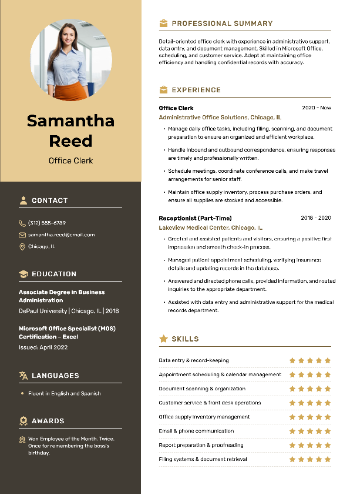
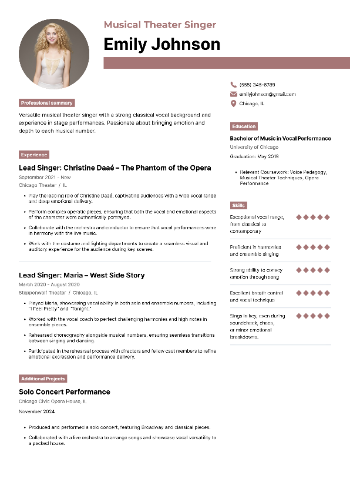
Why add funny resume skills?
In a pile of identical applications and tired phrasing, a couple of jokes can be your secret weapon. Done well, funny special skills don’t just entertain—they leave an impression that sticks.
Capture Attention Quickly
Hiring managers skim resumes in seconds. A clever line like:
“Able to deliver quality results without caffeine (on most days)”
…might be the detail that makes them take a second look.
Unexpected humor breaks the monotony. It catches the eye, feels fresh, and gives your document a voice that sounds uniquely yours.
Add Personality Without Oversharing
Job applications don't need to feel like formal essays. A strategically placed quirky skill can reveal your character and make you more relatable—especially in roles that value collaboration and creativity.
Instead of the usual:
“Excellent at working under pressure”
Say:
“Thrives in chaos—especially when there’s a deadline and snacks involved”
Align with the Company Vibe
Not every workplace is rigid or corporate. Startups, digital marketing agencies, and game studios often value authenticity and originality. Adding a few offbeat details can show you're already on their wavelength.
Browse their website or team bios. If they’re joking about coffee addictions or celebrating “Meme Monday,” they’ll likely appreciate someone who lists “Zoom trivia champion 2023” as a skill.
Subtle Humor Shows Intelligence
Clever writing demonstrates you understand timing, tone, and audience—qualities that go beyond technical abilities. A sharp, well-placed line signals confidence, emotional insight, and the ability to adapt your voice.
It’s not just about being funny—it’s about knowing how to communicate with intention.
Create your professional Resume in 10 minutes for FREE
Build My Resume
Examples of funny skills for resume
The best funny skills to have are clever, context-aware, and still hint at something valuable. They show off your personality and your capabilities—without sounding like you're trying too hard.
Here’s a mix of light-hearted, imaginative, and surprisingly insightful examples you can tailor to your own style.
- Soft Skills with a Twist
These take familiar strengths and reframe them in unexpected ways.
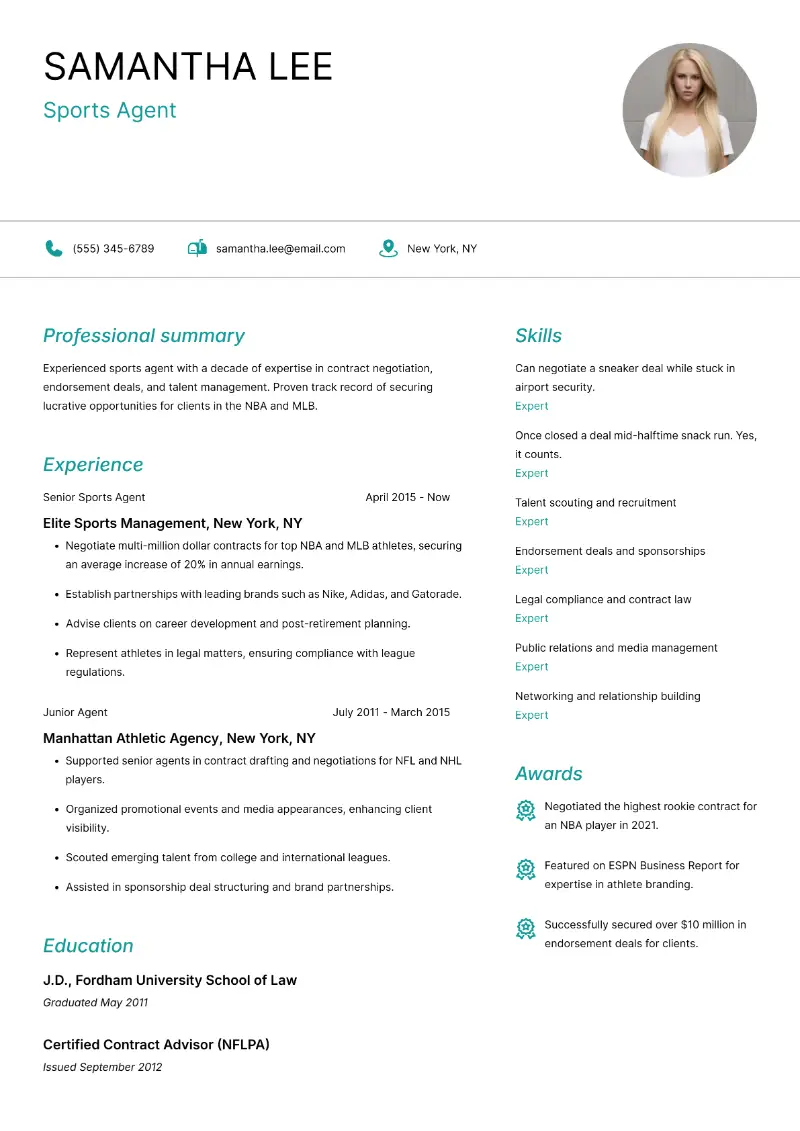
- Master of last-minute miracles and printer troubleshooting.
- Fluent in passive-aggressive email phrasing.
- Certified “let’s circle back” translator.
- Built-in radar for when snacks appear in the break room.
- Mentally filing every team lunch order since 2019.
They’re relatable and human—just enough to make a hiring manager smirk and recognize your real-world value.
- Quirky “Hard” Skills
These abilities sound technical… with a twist.
- Excel wizard (with occasional battles against VLOOKUP).
- Google Calendar tamer with multitasking superpowers.
- Pro at fixing the Wi-Fi by turning it off and on again.
- Photoshop amateur with bold confidence and zero fear.
- Zoom background curator—customized for every mood.
Ideal for jobs where adaptability, computer skills and tech-savviness matter, but where a sense of humor is clearly welcome.
- Pop Culture Meets the Office
Smart references show you're tuned in—and they bring energy without sounding forced.
- House Ravenclaw, specializing in spreadsheets and logic.
- Uno reverse card strategist in workplace negotiations.
- Knows when to mute and when to meme.
- Can survive on coffee, chaos, and three open tabs.
- Currently accepting LinkedIn endorsements for sarcasm.
Use sparingly and only if it suits the company tone—these work best where creativity or culture-fit is key.
- Completely Absurd (But Weirdly Brilliant)
Sometimes, the charm lies in the unexpected.
- Internally debates Oxford comma usage. Still undecided.
- Once led a successful team meeting entirely in pirate voice. Argh.
- Can identify the exact moment a call should’ve been an email.
- Seasonal desk plant whisperer—succulent survival rate: 98%.
- Knows how to politely nod through tech issues on Zoom.
These should be used with care, but when dropped into the right context (especially in a light-hearted "Additional Skills" resume section), they’re golden.
- Workplace Survival Superpowers
Ideal for team players, office veterans, or anyone who’s been through a few chaotic Mondays.
- Professional “Reply All” damage controller.
- Survived five rebrands, four bosses, and one office ghost.
- Speed-reader of passive-aggressive Slack threads.
- Unmatched ability to pretend the mic is muted while whispering “What slide are we on?”
- Knows every keyboard shortcut… except the ones that actually matter.
These paint a picture of resilience, adaptability, and a sense of humor sharpened by reality.
- Detail-Oriented... In Unexpected Ways
These are great for positions where attention to detail is a must—just not in the usual style.
- Can spot a typo from across the room. Will silently judge.
- Remembers birthdays, lunch orders, and the last time someone used Comic Sans.
- Spellcheck’s arch nemesis (but still mostly wins).
- Double-checks everything, including whether “definitely” is spelled right.
- Once spotted a missing semicolon and saved the project (and probably the world).
Useful for creatives, editors, analysts—or anyone whose sharp eye is part of the job.
- Emotional Intelligence, Light Edition
These show social awareness, people skills, and a low-key sense of charm.
- Knows when to send a calendar invite—and when not to.
- Reads the room faster than a group chat after someone says “We need to talk.”
- Facilitator of awkward silence escapes since 2016.
- Empath with a sixth sense for “I need coffee” energy.
- Group project diplomat. Negotiates peace over shared Google Docs.
They say what a generic "great communicator" bullet never could.
- Lifetime Learner... Kinda
For roles that value curiosity and adaptability—with a dash of dry wit.
- Watched one tutorial, called it “expertise.”
- Quick to learn. Quicker to Google.
- Attended every webinar. Remembered none of them, but showed up.
- Completed a LinkedIn course on productivity while procrastinating.
- Still doesn’t fully understand blockchain, but can nod convincingly.
Playful, but honest. And totally relatable in 2025.
When not to use funny skills?
Unique resume skills can be charming, but only when they fit the moment. In the wrong setting, they risk undercutting your credibility or leaving the wrong impression.
Here’s when it’s best to skip the jokes and stick to the essentials.
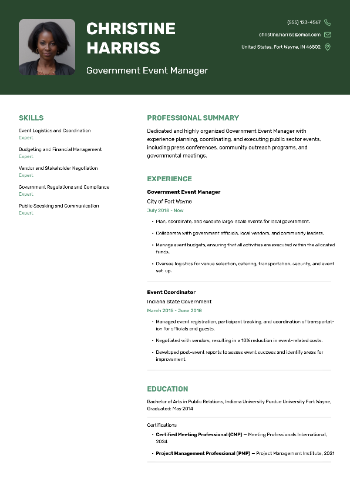
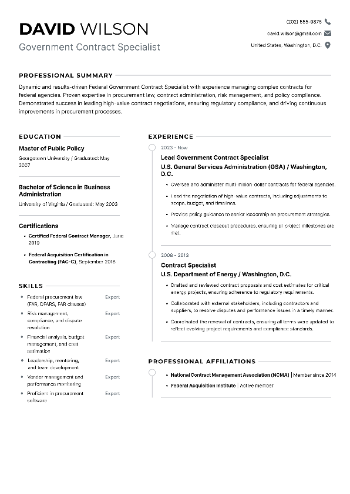
Traditional, Rule-Heavy Industries
In fields like banking, law, public administration, or high-level consulting, a playful tone may not align with expectations. These environments often lean heavily on structure, reliability, and formal communication.
Roles Demanding Serious Focus
Jobs that involve critical decisions, public well-being, or sensitive data don’t usually pair well with offbeat humor.
These include:
- Healthcare and medical support
- Legal compliance
- Aviation or emergency coordination
- Data security and risk management
In these fields, even light sarcasm could be misread as flippant or out of place.
When the Listing Emphasizes Formality
Some postings drop subtle hints—or outright say it: “Professional communication required”, “Adherence to protocol expected”. When you see phrasing like that, it’s a green light to keep your resume tight and straightforward.
If You Don’t Know the Company’s Style
If the organization’s tone isn’t clear, play it safe. A quirky line can fall flat when the audience doesn’t expect it—or doesn’t know what to make of it.
Scan their site, socials, and job descriptions. If the voice is neutral or overly formal, it’s smart to keep your application that way, too.
Conclusion
Incorporating funny resume skills can be a great way to make your CV more memorable and show off your creative side.
However, it’s important to strike the right balance between humor and professionalism. When done correctly, these fun skills can make a lasting impression, setting you apart from other applicants and demonstrating that you can bring personality to the workplace.
Remember, a little humor goes a long way—use it wisely, and you might just land your dream job!